Last updated: August 11, 2026
- – Check local rules and speak with a qualified adviser or credit counselor when debt rules differ.
- The CFPB’s debt collection and budgeting pages and MoneyHelper’s repayment guidance are good starting points for official information.
- But it leaves out the question people usually care about most: which debt should get extra money first?
- That does not mean debt type calculators are magically smarter.
Quick Answer: Debt type calculators — complete guide readers usually want one number: with 2 or more debts, a debt type calculator can help you compare payoff orders and estimate interest; with only 1 loan, a generic calculator is usually enough. For mixed balances, the comparison can matter by hundreds or even thousands of dollars depending on rates and payment size. Clean and simple? Not quite.
Key facts:
– Debt type calculators are most useful when you have 2+ debts with different rates or minimums.
– A calculator is only as good as its assumptions; compare at least 2 scenarios.
– If you are behind on rent, food, utilities, or insurance, stabilize essentials first.
– Check local rules and speak with a qualified adviser or credit counselor when debt rules differ.
– Authoritative sources such as the CFPB and MoneyHelper publish repayment and budgeting guidance.
Debt type calculators help you answer one practical question: which debt should I pay first, and what happens if I change the order? Staring at a pile of credit cards, student loans, auto loans, medical bills, or a personal loan, the right calculator can turn a messy balance sheet into a plan you can actually follow. In this debt type calculators — complete guide, the point is to make that choice clearer without pretending every debt works the same way.
I write about personal finance, and I’ll be blunt: this is information, not financial advice. Debt rules, interest rates, minimum payments, tax treatment, and consumer protections differ by country and change over time; for your own situation, check local rules and speak with a qualified financial adviser or credit counselor. The CFPB’s debt collection and budgeting pages and MoneyHelper’s repayment guidance are good starting points for official information. Worth bookmarking.
The Real Difference Between Debt Type Calculators and Generic Debt Calculators
Simple version: debt type calculators are built to help you compare different kinds of debt with different rules, while generic debt calculators usually assume one loan type or one payoff method. That matters because a credit card, a fixed-rate auto loan, and a student loan do not behave the same way.
A generic debt calculator usually tells you things like monthly payment, payoff date, or total interest for one debt at a time. Useful, yes. But it leaves out the question people usually care about most: which debt should get extra money first? Debt type calculators are often better when the balances have different rates, minimums, compounding rules, or tax treatment, but it is still wise to consult a professional if the debt mix has legal or tax consequences.
That does not mean debt type calculators are magically smarter. Honestly, their biggest weakness is that they can make a messy setup look more exact than it really is. If a calculator does not let you account for missed payments, changing rates, fees, deferment, or variable interest, its result can give false confidence. Then the numbers become a shiny distraction. Someone may obsess over the “best” payoff order and miss the bigger issue: whether the monthly budget is stable enough to support any plan at all.
Here’s the practical takeaway I’d give a reader with several debts: use a debt type calculator when your debts are not interchangeable. If all you want is a rough payoff estimate for one simple loan, a generic calculator is fine. If you need to rank debts, compare payoff strategies, or see how extra payments change the timeline, the debt type version is the one that actually answers the question.
The other difference is presentation. Good debt type calculators show the trade-offs between strategies, not just a single answer. That makes them especially useful for people deciding between the debt snowball and debt avalanche approaches, or trying to understand whether a higher-interest balance really deserves priority over a smaller one. The debt type calculators — complete guide approach is to compare, not to guess. Shortcuts? Usually a trap.
Debt Type Calculators: Who Should Actually Use This (and Who Shouldn’t)

Debt type calculators win for people with multiple debts and a limited amount of extra cash. That is the clearest use case. If your monthly budget can cover minimum payments but not every balance at once, you need a tool that shows how different payoff orders change the outcome.
They are also useful if your debts have different structures. A student loan may have one set of repayment rules, a revolving credit card another, and a personal loan another still. A debt type calculator can help you compare them without forcing everything into one fake category. According to the CFPB and MoneyHelper, repayment options and protections can vary by product, so a comparison tool can be a practical first step before you speak with a professional.
I’d also recommend them for people who are trying to make a behavioral decision, not just a math decision. Some people need the motivation of seeing one small balance disappear quickly. Others need the discipline of attacking the highest-cost debt first. A calculator can show both paths. It cannot tell you which emotional payoff matters more, but it can make the trade-off visible.
Where these calculators fall short is just as important. They are not for someone who is behind on essentials. If you are missing rent, utilities, food, or insurance, a payoff calculator is not the first tool I’d reach for. The priority is stabilizing the household budget and, where relevant, getting help from a counselor, lender, or local support service.
They are also not ideal if your debt problem is really a cash-flow problem. If your income is irregular and every month looks different, a neat calculator can hide the fact that your available extra payment is unstable. In that case, the useful question is often not “which debt first?” but “what payment can I reliably make without breaking the month?”
A debt type calculator is strongest when you have:
– at least two debts
– a predictable minimum payment on each
– some extra money you can direct each month
– a real choice about payoff order
It is weakest when:
– you are already struggling to cover basics
– your income changes a lot
– your debts have legal complications, collections, or default status
– you need advice about bankruptcy, settlement, or tax consequences
If that sounds like your situation, I would not rely on a calculator alone. I’d use one as a starting point, then talk with a qualified adviser or credit counselor about the next step.
The Specific Situations Where Debt Type Calculators Win
Debt type calculators win when the reader needs a comparison tool, not a single number. That is their best use by far.
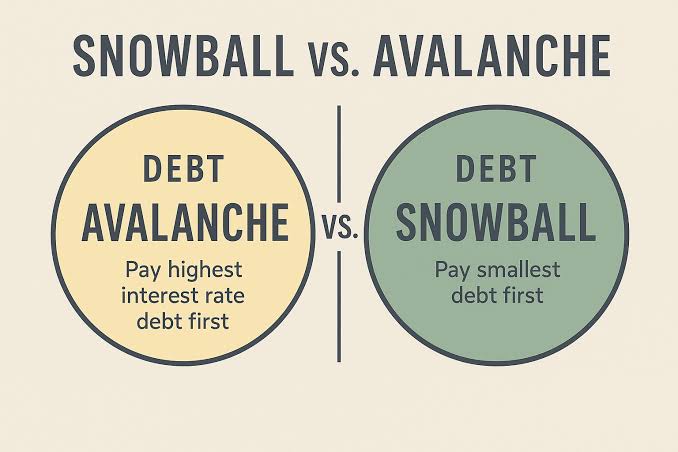
First, they are strong for comparing payoff strategies. If you are deciding between putting extra money toward the smallest balance or the highest-interest balance, a calculator can show how each approach changes the debt-free date and total interest. That matters because the “right” choice is not always obvious, especially when the balances are close or the interest gap is small. A debt type calculators — complete guide example is to test both paths before you commit. Otherwise, you are guessing with your wallet open.
Second, they help when you want to rank debts by cost. Many people know their balances but not the true cost of carrying them. A debt type calculator can make the expensive accounts stand out. That is useful for credit card debt, where interest can compound quickly, but it also matters for any debt with fees, variable rates, or uneven payment terms.
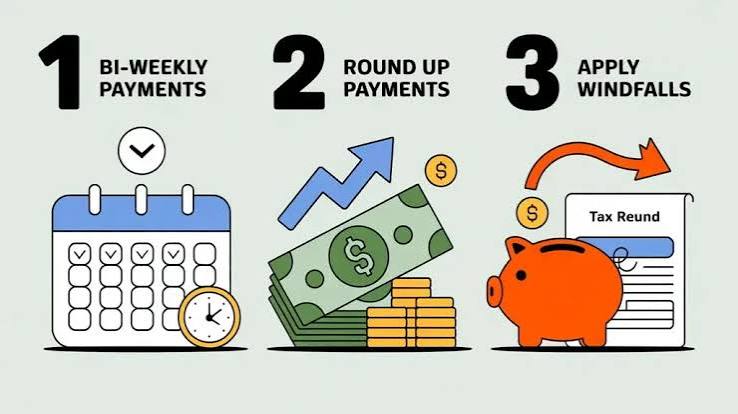
Third, these calculators are practical when you are building a payoff plan around extra payments. If you have even a modest amount left after minimums, a calculator can show what happens if you send it to one debt rather than spreading it around. That makes the trade-off concrete. Without that comparison, many people guess, and guessing is expensive.
Fourth, they are useful for households that are coordinating debt decisions. If two people share bills, a calculator can make the plan visible and reduce arguments. That does not solve the money problem, but it does reduce the “Why are we paying this one first?” problem.
The weakness is that many people use these calculators as if the output were a command. It is not. A calculator does not know whether a debt has hardship options, whether a rate may change, whether a lender allows recasting or restructuring, or whether you need a cash cushion more than a faster payoff date. The output should inform the decision, not replace it.
If you want a clean rule from me, this is it: use a debt type calculator when the choice is between competing payoff orders, not when the real problem is whether you can afford the debt at all.
The Honest Side-by-Side
The decision usually comes down to whether you need a simple payoff estimate or a multi-debt comparison. Here is the head-to-head view I’d give a reader who wants the shortest path to a useful choice.
| Criteria | Generic Debt Calculator | Debt Type Calculator | Winner for [condition] |
|---|---|---|---|
| Best use | Single debt payoff estimate | Comparing several debt types and payoff orders | Debt type calculator for multiple debts |
| Debt mix handling | Often assumes one loan structure | Usually built for mixed balances | Debt type calculator for mixed debt |
| Strategy comparison | Usually limited | Often supports snowball vs. avalanche style comparisons | Debt type calculator for choosing a plan |
| Ease of use | Usually simpler | Can take more inputs | Generic calculator for quick estimates |
| Risk of oversimplifying | High if you have more than one debt | Still present, but less severe | Debt type calculator for complex debt |
| Budget planning | Can show one payment path | Better for testing extra-payment scenarios | Debt type calculator for monthly planning |
| Behavioral motivation | Less helpful | Can show quick wins and long-run cost | Debt type calculator for motivation trade-offs |
| Handling unusual terms | Often poor | Varies by tool, but often better | Debt type calculator if the tool accepts special terms |
| Best for one-off curiosity | Yes | Not always worth the extra setup | Generic calculator for a single question |
What this table leaves out, and what many generic articles miss, is the human factor. A calculator can say the debt avalanche saves more interest in a clean model. That does not mean the avalanche is the right answer for every person. If someone will quit after two months because the progress feels too slow, a mathematically perfect plan can fail in the real world. A debt type calculator is valuable precisely because it can show both the numbers and the tension between the numbers and behavior.
My view is straightforward: if you have one debt, stay simple. If you have several debts, use the type-based tool. The more different the debts are, the more the generic calculator starts lying by omission.
How Debt Type Calculators Actually Work
A good debt type calculator usually asks for the same core inputs: balance, interest rate, minimum payment, and any extra payment you can add. Some tools also ask for payoff order, payment frequency, fees, and whether the rate is fixed or variable. The calculator then estimates how long it will take to repay each balance and how much interest you might pay under the chosen plan.
That sounds clean, but the details matter.
The calculator is not “discovering” a truth hidden in your debt. It is running assumptions. If the assumptions are wrong, the result is wrong. For example, if the calculator assumes your rate stays fixed but your lender can change it, the timeline may be too optimistic. If it assumes you will make the same extra payment every month, but your income is seasonal, the plan may be fragile. If it ignores fees or compounding differences, the cost comparison may be distorted.
I think this is where many readers get misled. They see a polished output and assume precision means reliability. It does not. In personal finance, a calculator is only as useful as the rule set behind it, and the numbers matter most when they are checked against your actual statements.
The best calculators make their assumptions visible by letting you edit the inputs. I would trust one more if it lets me change:
– minimum payment amounts
– interest rates
– one-time extra payments
– payoff priority
– whether to continue minimums on paid-off debts
– variable-rate debt, if relevant
A weaker calculator may simply sort by balance or rate and call it a day. That can still be useful, but it should be treated as a rough sketch, not a plan.
If you are comparing calculators, I would ask one question before anything else: does this tool reflect my debt structure, or does it force my debt into a template? If it forces the template, the output is probably more convenient than correct.
For consumer debt guidance, the Consumer Financial Protection Bureau has useful plain-language material on debt collection and budgeting, and the UK’s MoneyHelper offers repayment and debt-management guidance. Those pages are worth checking if you need a grounded explanation from an official source. The CFPB’s materials are especially helpful if you need to understand collection rights, while MoneyHelper is useful for repayment planning.
The Honest Side-by-Side for Real-World Use
The right calculator depends on the debt problem in front of you. Here is the version I would use to decide quickly.
Want a fast estimate for one loan? Use a generic calculator. It is simpler, faster, and less likely to overwhelm you. That matters if you are just checking what a car loan or student loan might look like over time.
Need to compare several debts? Use a debt type calculator. It gives you a real comparison instead of a flat estimate. That matters when your debt mix includes credit cards, personal loans, and other balances with different terms.
Trying to choose a payoff strategy? The debt type calculator wins again. It is the better tool for seeing the effect of directing extra payments to one debt versus another.
Already in distress? Neither calculator should be your first stop. In that situation, the priority is to protect essentials and get help from a qualified professional or a nonprofit credit counselor. The calculator can come later, once the situation is stable enough for a payoff plan to matter.
I’d also call out a common mistake: people compare calculators as if one should be universally better. That is the wrong frame. The real question is whether the tool matches the job. A very simple tool can be the best choice if your problem is simple. A more detailed one can be the wrong choice if it slows you down or encourages false precision.
Our Verdict: Which One to Choose and Why
Choose a debt type calculator if you have more than one debt, different interest rates, and some extra money to direct each month. Choose a generic debt calculator if you only need a quick estimate for one loan and you are not comparing payoff strategies. Neither if you are behind on essentials, facing collections, or need legal or bankruptcy advice.
That is the cleanest answer I can give.
My reason is practical: the moment you have multiple debts, the main question stops being “What is my payment?” and becomes “What should I pay first, and what changes if I change the order?” A debt type calculator is built for that. A generic calculator is not.
I would choose the simpler tool only when simplicity is the point. If you are checking a single loan, or you want a rough estimate before you decide whether to act, the generic option is enough. It is easier to use and less likely to bury you in inputs you do not need.
I would choose the debt type calculator when the stakes are higher. If you are trying to manage credit cards, a personal loan, and a student loan at the same time, a tool that sorts and compares those debts is more honest about the real problem. It will not solve the debt for you, but it can stop you from making an expensive guess.
That said, no calculator should be treated as a substitute for local advice when the situation is complicated. Taxes, consumer protections, repayment plans, and hardship programs vary by country and by lender. If your debt situation has legal or credit-reporting consequences, speak with a qualified adviser.
Exception Scenarios: When the Verdict Flips
There are a few situations where I would flip the usual recommendation.
-
You have only one debt.
In that case, a debt type calculator is usually unnecessary overhead. A standard calculator is enough. -
Your income is unstable.
If your extra payment changes month to month, the neat payoff comparison may be less useful than a basic budget or cash-flow plan. -
Your debt is in collections or default.
The calculator can still show numbers, but it may miss settlement options, legal timelines, or credit-reporting consequences. That’s a different kind of problem. -
You are choosing between debt and basic stability.
If the choice is “pay more toward debt” versus “keep enough cash for rent, food, and emergencies,” the calculator should not drive the decision.
These exceptions matter because many articles act as if every debt problem is a math puzzle. It is not. Sometimes the real issue is risk, timing, or survival cash.
How to Get a Useful Result Without Fooling Yourself
If you use a debt type calculator, use it the right way.
Start with exact balances and interest rates from your statements, not from memory. Small input errors can change the result enough to mislead you. Enter minimum payments as they actually are, not as you hope they will be. If you have an extra monthly amount, use a number you can sustain, not a best-case month.
Then run more than one scenario:
– one where you pay only minimums
– one where you add a modest extra payment
– one where you focus extra money on the highest-interest debt
– one where you focus extra money on the smallest debt
You are not looking for a perfect answer. You are looking for a plan you can live with.
I also think it helps to read the result in two ways at once:
– interest cost
– **behavioral stick