Last updated: August 11, 2026
- Quick Answer: A debt payoff timeline calculator can estimate your debt-free date in under 5 minutes.
- – A $50 monthly increase matters more on high-interest debt than on low-interest debt.
- Wondering whether an extra $50 or $200 a month changes your debt-free date enough to matter?
- Key Facts – A debt payoff timeline calculator shows an estimated debt-free date, not a sure outcome.
Quick Answer: A debt payoff timeline calculator can estimate your debt-free date in under 5 minutes. Handy, yes. But the result is only as good as the numbers you feed it. I treat the debt payoff timeline calculator as a planning tool, not a promise, because the real date shifts with interest rates, minimum payments, extra payments, fees, and any change in income. This article is information, not financial advice; for your own situation, a qualified financial adviser or debt counselor can help.
Key Facts
– A debt payoff timeline calculator shows an estimated debt-free date, not a sure outcome.
– Small extra payments can change the timeline by months or years.
– A $50 monthly increase matters more on high-interest debt than on low-interest debt.
– Use lender statements, not guesses, for balances and APRs.
– If income is unstable or debt is in default, get professional help before relying on any calculator.
I write about personal finance for readers who need a clear plan, not a motivational speech. So the job here is simple: turn current balances and payment habits into a date you can actually use.
The Real Difference Between a Debt Payoff Timeline Calculator and a Debt Snowball Calculator
“Debt free when?” That is the first question. A debt payoff timeline calculator answers it. A debt snowball calculator answers a different one: “Which payoff order will keep me moving?”
The split matters. One tool forecasts; the other nudges behavior. You plug in balances, APRs or interest rates, and monthly payments, then estimate how long each debt takes to vanish. The result is a date, or a string of dates, built from your present plan. Good for clarity. Good for a budget check. Good for a reality test before you commit.
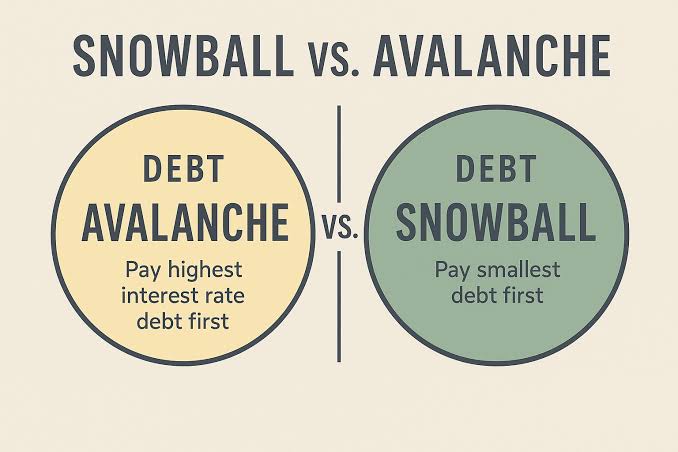
Snowball works differently. Usually, it tells you to hit the smallest balance first while making minimum payments on the rest. Early wins feel nice. They really do. But there is a trade-off: if the higher-rate balances sit untouched for longer, the interest bill can climb. That math stops working fast.
I would start with the timeline calculator because it shows the size of the problem in time, not just dollars. Staring at credit cards, a car loan, and a personal loan? A date can turn fuzzy stress into something concrete.
The catch is obvious. The calculator only knows what you enter. Leave out fees, ignore variable-rate changes, or overstate what you can keep paying, and the finish line looks cleaner than reality. A snowball tool can feel more motivating, sure, but it may hide the full time cost of the debt mix.
Debt Payoff Timeline Calculator: Who Should Actually Use This (and Who Shouldn’t)
Who gets the most out of a debt payoff timeline calculator? People who want a straight answer: “How long will this take if I do nothing fancy?” It fits borrowers with multiple debts, fixed monthly income, and a real need to plan around a finish line.
I’d put it in the hands of anyone choosing between strategies. Wondering whether an extra $50 or $200 a month changes your debt-free date enough to matter? This tool makes that plain. It also helps before a refinance, a budget reset, or a talk with a partner about shared debt. The calculator turns a broad goal into a timeline you can discuss.
Who should skip it as a decision tool? Anyone whose finances are shaky right now. If income swings hard from month to month, if minimum payments are already getting missed, or if late fees and collection activity are in the mix, a neat timeline can be false comfort. In that case, the first task is not estimating a payoff date. It is stopping the bleed and building a plan that protects essentials.
Then there are debts with special rules. Student loans, medical debt, tax debt, and some hardship arrangements can behave differently across countries and programs. Rates, limits, thresholds, and repayment rules vary a lot by jurisdiction and can change often, so any calculator has to be checked against your actual lender terms and local rules.
The strength is precision at the planning stage. The weakness is that precision can look more certain than it is. Honestly, that’s the trap.
The Specific Situations Where the Debt Payoff Timeline Calculator Wins
The debt payoff timeline calculator wins when the main problem is uncertainty, not discipline. If you already know you want to reduce debt but cannot see the end of the road, this is the tool that gives you a date worth building around.
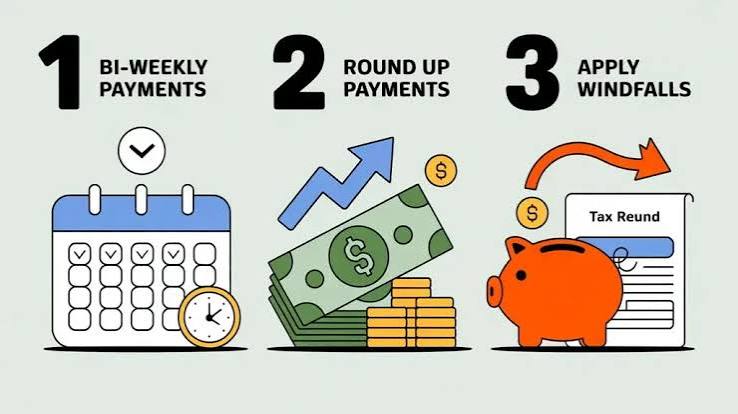
Three situations stand out. First, multiple balances with different rates. The calculator shows how much time each one adds, which makes the highest-rate debts obvious. Second, a one-time lump sum, like a tax refund, bonus, or side-income month. You can see how much that extra payment shortens the finish line. Third, a choice between “pay everything minimum” and “focus extra cash on one debt.” The timeline usually makes the trade-off clearer than a balance-only view.
It is also the better option if you like concrete planning. Some people do not need motivation from tiny victories. They want a date on the calendar and a budget they can trust. For that reader, the timeline calculator feels practical rather than emotional.
The downside? It can tempt you into overconfidence. A projected debt-free date is not guaranteed. Interest can change, emergencies happen, and minimum payments can shift. Use it as a snapshot and it helps; use it as destiny and it can mislead you.
I also think it is the better choice for comparing scenarios. A generic article often stops at “use a calculator.” That skips the real value: you can test what happens if you add a little more each month, or if you stop one recurring expense and redirect it to debt. The numbers tell you whether the extra effort actually moves the date enough to justify the sacrifice.
The Honest Side-by-Side
Here is the comparison I would want in front of me before deciding what to use.
| Criteria | Debt Payoff Timeline Calculator | Debt Snowball Calculator | Winner for [condition] |
|---|---|---|---|
| Main goal | Shows your estimated debt-free date | Helps you prioritize debts for momentum | Timeline calculator for planning |
| Best use case | Budgeting and forecasting | Motivation and habit-building | Depends on what you need more |
| Interest cost awareness | Usually stronger | Often weaker if smallest balance is not highest rate | Timeline calculator for cost awareness |
| Emotional payoff | Slower, less dramatic | Faster early wins | Snowball for motivation |
| Input needs | Balances, rates, payment amounts, due dates | Balances and payment order | Timeline calculator for detail-oriented users |
| Clarity on extra payments | Very clear | Clear, but mainly through the payoff order | Timeline calculator for scenario testing |
| Risk of false confidence | Moderate if assumptions are wrong | Moderate if the emotional win distracts from cost | Tie |
| Works best with irregular income | Only if you use conservative assumptions | Only if you can stay consistent with the plan | Neither is ideal without a buffer |
| Best for “How long until I’m done?” | Yes | No | Timeline calculator |
| Best for “How do I stay on track?” | Less so | Yes | Snowball |
The point of this table is not to crown a universal winner. It shows what each tool is actually good at. A lot of generic debt content pretends these are interchangeable. They are not. One gives you a clock. The other gives you a strategy for morale.
Our Verdict: Which One to Choose and Why
Choose the debt payoff timeline calculator if your biggest question is when you will be debt-free and you want a realistic estimate based on your current payments. Choose the debt snowball calculator if you know you need quick wins to keep paying month after month. Neither is the right pick if your income is too unstable, your debts are already in default, or your repayment terms are unusual enough that a simple calculator would mislead you.
That is my call. If you are trying to decide today, start with the timeline calculator. It gives you the clearest picture of the finish line, and that makes every other choice easier to judge.
I would not use the timeline calculator alone if motivation is your weak point. A perfect estimate is useless if you drop the plan after a month. In that case, the snowball method may work better because it creates visible progress sooner. But if you are the kind of person who wants to know the actual cost of every decision, the timeline calculator is the sharper tool.
The trade-off is plain: the timeline calculator is better at truth, while the snowball calculator is better at momentum. You usually need both qualities, but one has to come first. I’d make truth first, because you cannot plan around a debt payoff date you do not believe.
When to Reconsider This Choice Entirely
There are a few cases where I think the whole “pick a payoff calculator” question is the wrong question.
First, if you cannot cover minimum payments without using more debt, you need a damage-control plan before any payoff timeline. In that situation, the calculator may only tell you what you already know: the current plan is not sustainable. The next step is to reduce spending, contact lenders if needed, and get advice from a qualified professional.
Second, if your debt carries special legal or repayment rules, a generic calculator may oversimplify. This can happen with tax debt, court-ordered debt, some student loan systems, or negotiated hardship plans. The repayment structure matters more than the tool.
Third, if your income changes a lot, a single timeline can be misleading. A conservative estimate is better than an optimistic one, but even that is only a rough map. A calculator cannot predict layoffs, overtime, family changes, or emergency bills.
Fourth, if the emotional cost of seeing a distant date makes you quit, the calculator is not the right starting point. Some readers do better with a smaller target, like paying off one account first, then revising the plan. That is not irrational; it is practical.
The common mistake is treating every debt problem as a math problem. Debt can also be a cash-flow problem, a behavior problem, or a legal or hardship problem. So, if you are not sure which one you have, consult a qualified financial adviser or nonprofit credit counselor. A calculator helps. It does not replace advice tailored to your situation.
How to Use a Debt Payoff Timeline Calculator Without Fooling Yourself
The best calculators do one thing well: they show what happens if you keep paying the same way. I’d use them with cautious inputs, not optimistic ones.
Start with the current balance, interest rate, and minimum payment for each debt. If your rate can change, use the actual terms from your statement or lender portal, not a rough guess. Then add only the extra amount you know you can keep paying after essentials, not the amount you hope to pay in a perfect month.
If your income is irregular, I would run at least two versions: a conservative one based on your lean months and a more aggressive one based on your better months. That gives you a range, not a fantasy. If your calculator lets you add lump-sum payments, use those only when they are likely, not wished for.
A useful debt payoff timeline is not the shortest one. It is the one you can survive long enough to finish.
FAQ
How accurate is a debt payoff timeline calculator?
It is only as accurate as the numbers you enter. It can be a solid planning tool, but it cannot predict rate changes, missed payments, fees, or income shifts.
Should I use the calculator before or after choosing a payoff method?
Before. I would use it to understand the size of the job first, then decide whether you need a timeline view, a motivation-first method, or a mix of both.
Can I use it if I have multiple debts?
Yes, and that is where it helps most. Multiple balances make a payoff date harder to estimate by hand, especially when interest rates differ.
What if the calculator shows a date that feels too far away?
That usually means one of three things: the payment is too small, the debt load is too high, or the budget needs a reset. If you are unsure which one applies, a qualified financial adviser or nonprofit credit counselor can help you sort it out.
Is a debt payoff timeline calculator the same as a debt consolidation decision tool?
No. A timeline calculator estimates how long repayment may take under your current plan. It does not tell you whether one product or strategy is appropriate for you, and it does not replace professional advice.