Last updated: August 11, 2026
- This article is about the debt reduction plan template: build monthly payoff schedule.
- – The schedule works by paying minimums first and rolling the freed payment into the next debt.
- – For legal, tax, or secured debts, seek guidance from a qualified professional before using a standard template.
- I write about personal finance for readers who need practical debt planning, not theory.
Quick Answer: One page. Five to ten fields. That is all a debt reduction plan template needs to show a monthly payoff schedule, with minimums, extra payments, and the payoff order sitting there at a glance. This article is about the debt reduction plan template: build monthly payoff schedule.
Key facts
– A debt reduction plan template is best when it turns balances into a monthly payoff schedule.
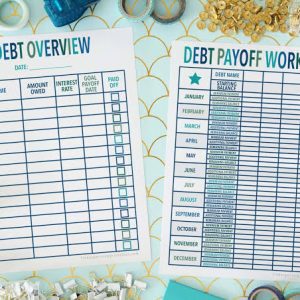
– A simple template usually needs 8 fields: creditor, balance, rate, minimum, due date, priority, extra payment, and payoff month.
– The schedule works by paying minimums first and rolling the freed payment into the next debt.
– If your income is irregular, the template may need a backup version for lean months.
– For legal, tax, or secured debts, seek guidance from a qualified professional before using a standard template.
A debt reduction plan template works best when it turns a pile of balances into one clear monthly payoff schedule. This debt reduction plan template: build monthly payoff schedule approach tells you what gets paid, in what order, and how much room is left in your budget after the minimums are covered.
I write about personal finance for readers who need practical debt planning, not theory. This article is information, not financial advice; for your own situation, especially if you’re juggling tax debt, secured debt, or missed payments, a qualified adviser should look at the numbers with you, and consumer guidance from the CFPB can help you understand your options: https://www.consumerfinance.gov/consumer-tools/debt-collection/
Debt Reduction Plan Template vs. a Generic Budget Sheet
A debt reduction plan template wins because it is built around payoff order, not just spending. A generic budget sheet tells you where your money went. A debt reduction plan tells you where each extra dollar should go.
That difference matters. Track only bills, and you can stay organized while making painfully slow progress. A payoff schedule forces a decision: which debt gets the next extra payment, how long the plan takes, and what happens if you can only pay the minimum on some accounts for a while.
I would use a debt reduction template when the reader already knows the budget is tight and the real problem is coordination. The template should include:
– creditor name
– current balance
– interest rate, if known
– minimum payment
– due date
– payoff priority
– extra payment amount
– projected month paid off
The weakness is obvious: incomplete numbers can make a template look more certain than it is. Leave out interest rates, fees, or late charges, and the schedule can go sideways fast. In real life, a debt plan also needs a buffer for surprises; one car repair or medical bill can blow a neat timeline apart. Messy, yes. Real, too.
For rates, limits, tax rules, and creditor treatment, the details vary by country and often change, so consult with a qualified professional before relying on any template alone. That is why I would not treat any template as a substitute for checking your statements and, if needed, getting advice from a qualified professional.
How a Monthly Payoff Schedule Actually Works
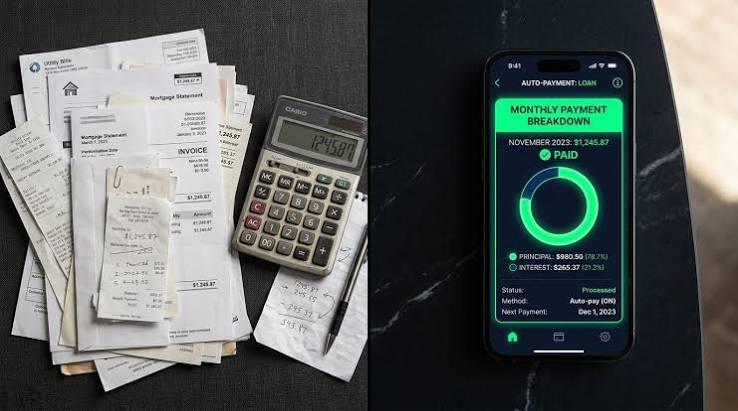
The monthly payoff schedule is the heart of the template. I’d build it as a month-by-month map that shows the minimum payment for every debt plus one planned extra payment that moves through the list in order.
Here is the basic logic:
1. List every debt.
2. Sort the list by the order you want to attack it.
3. Pay every minimum on time.
4. Put all leftover payoff money on one target debt.
5. When that debt disappears, roll its payment into the next one.
That rollover is the part many generic articles skip. It is not just “pay more when you can.” It is a system that keeps extra cash from getting scattered across five balances like confetti, and a qualified adviser can help you adapt it if your debts are unusual.
The strongest version of the schedule is the one you will actually keep open each month. I’d put it in a spreadsheet or simple table, not a note buried in a phone. The monthly view should answer three questions at a glance:
– What do I owe this month?
– Which account gets the extra amount?
– What changes after this debt is gone?
The drawback is that this approach can feel rigid. If your income varies, a fixed monthly schedule may need a second version for lean months. That does not make the method bad. It means the template has to leave room for reality, especially if you are paid irregularly or share finances with someone else.
For a plain-language overview of debt and repayment planning, the Consumer Financial Protection Bureau’s debt collection and debt management resources are a useful starting point: https://www.consumerfinance.gov/consumer-tools/debt-collection/
Debt Reduction Plan Template: Who Should Actually Use This
A monthly payoff schedule wins for someone who has steady income, multiple unsecured debts, and enough cash flow to pay minimums plus a little extra. That is the reader I would build this for first.
It is especially useful if you are trying to get out of credit card balances, personal loans, medical debt, or old revolving accounts and you keep losing track of due dates. The template gives you one page that organizes the whole mess. It also helps if you need a visible milestone. Seeing a balance disappear from the schedule can keep motivation from collapsing halfway through the plan.
The real strength is control. Once the plan is written, you know where the next extra dollar goes. You do not have to rethink the decision every payday.
The weak point is that this method depends on consistency. If your income is unstable, or if your essential bills already crowd out minimum payments, the template can become wishful thinking. A plan that looks neat on paper but cannot survive a bad month is not a plan; it is a wish list.
I would not use this template as the main tool for someone whose debt problem is tied to missed housing payments, active collections, or a legal process that changes how creditors can be paid. Those situations may need case-specific guidance from a qualified adviser, a nonprofit counselor, or a lawyer depending on the debt type and country.
If the reader fits the stable-income, multiple-debt profile, though, this is the right starting point. It reduces decision fatigue, keeps payment dates visible, and makes progress measurable without pretending the problem is simple.
The Specific Situations Where a Monthly Schedule Wins
A monthly payoff schedule wins when the main problem is execution. If the reader already has a budget but keeps drifting, the schedule brings discipline to the next payment, not just the next payday.
I like this format most in three situations.
First, when there are several small balances. Small debts are easy to ignore because each one looks manageable. A schedule makes the finish line visible, which helps you stay on the plan long enough to close accounts one by one.
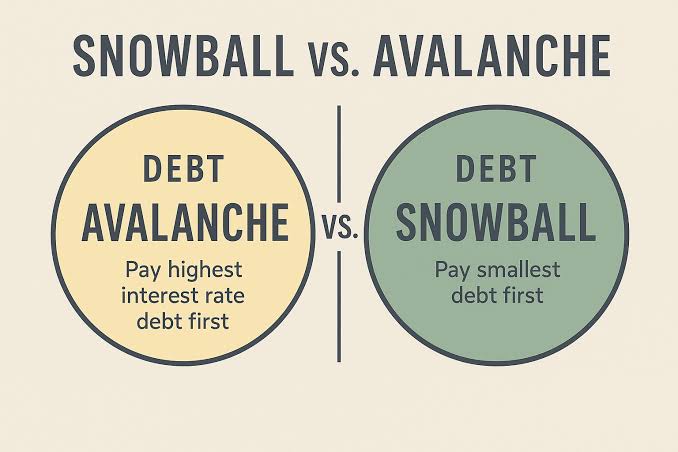
Second, when you want to compare payoff methods. The same template can show a snowball-style order, where smaller balances go first, or an avalanche-style order, where higher-interest debts go first. I would not tell a reader one is universally best, because the right choice depends on whether they need faster emotional wins or a lower total interest burden. The template gives room for either decision.
Third, when you are helping a partner or household stay coordinated. A monthly table makes the shared task clearer. Each person can see due dates, amounts, and the next target account without digging through old statements.
The trade-off is that a schedule can tempt people to optimize too much. If you spend hours trying to make the “perfect” order, you can delay the first payment. I would rather see a usable schedule start today than a polished one start next month.
For readers who want a second authoritative reference on budgeting and repayment structure, the National Foundation for Credit Counseling offers educational material that can help frame the process: https://www.nfcc.org/
The Honest Side-by-Side
A simple comparison makes the decision easier. The right tool depends on what problem you are solving: tracking, prioritizing, or following through.
| Criteria | Debt reduction plan template | Generic budget sheet | Winner for this condition |
|---|---|---|---|
| Main purpose | Organizes debts by payoff order and month | Tracks income and spending categories | Debt reduction plan template, if the goal is payoff |
| Minimum payments | Built into the structure | Usually only implied | Debt reduction plan template |
| Extra payment strategy | Explicit and visible | Usually not defined | Debt reduction plan template |
| Ease of setup | More work up front | Faster to start | Generic budget sheet, if you need speed |
| Monthly clarity | Shows debt-by-debt progress | Shows category spending only | Debt reduction plan template |
| Handling irregular income | Needs a backup version | Can be easier to flex | Generic budget sheet, if cash flow changes often |
| Motivation from progress | High, because balances can drop off the list | Lower, because progress is less visible | Debt reduction plan template |
| Best for household coordination | Very clear if both people follow it | Useful, but less focused | Debt reduction plan template |
| Best for broad financial control | Narrower focus on debt | Better for overall spending management | Generic budget sheet, if debt is not the main issue |
My view is blunt: if debt is the problem, a debt reduction plan template is the better tool. If your real problem is that your whole budget is out of control, start with the budget sheet first and add the payoff schedule after the basics are stable.
Our Verdict: Which One to Choose and Why
Choose the debt reduction plan template if you can cover minimum payments and want a clear monthly payoff schedule that tells you exactly where extra money goes. Choose the generic budget sheet if you are still trying to find out why cash disappears before month-end. Neither if you are already missing required payments or dealing with a debt type that needs case-specific legal or professional advice.
That is the cleanest call I can make. The template is the better choice for action. The budget sheet is the better choice for diagnosis.
If you choose the debt reduction template, I would keep it simple:
– list every debt
– mark the due date and minimum payment
– choose one payoff order
– assign every extra dollar to the target account
– update the plan after each debt is paid off
Do not overcomplicate it with color-coding, twenty formulas, or a dozen motivational fields. The plan should reduce stress, not become a second job.
The main downside of the template is that it can make debt feel more manageable than it really is. If the numbers only work by assuming perfect months, the plan is fragile. A better plan is one that can survive a missed shift, a school expense, or a small emergency.
When to Reconsider This Choice Entirely
Sometimes the right answer is not a better template. It is a different strategy.
I would reconsider the monthly payoff schedule if any of these are true:
- Your minimum payments already exceed what you can reliably cover. At that point, a payoff schedule cannot fix the cash flow gap.
- Your income changes sharply from month to month. A fixed schedule may need frequent resets, which can make it harder to trust.
- Your debt includes legal, tax, or secured obligations. Those often follow special rules that a standard template does not capture, so consult a qualified professional before proceeding.
- You are using the plan to avoid looking at the rest of your finances. If the schedule becomes a substitute for a real budget, it may hide the bigger issue.
The honest limitation is this: a debt reduction plan template is a planning tool, not a rescue plan. It works when the math is close enough to workable and the reader needs structure. It does not create money, erase fees, or solve a debt crisis by itself.
I would rather a reader know that now than discover it after three discouraging months.
FAQ
What should I include in a debt reduction plan template?
Include each debt’s name, balance, minimum payment, due date, interest rate if you know it, payoff priority, and the extra amount you plan to send each month.
Should I pay extra on the smallest debt or the highest-interest debt first?
That depends on your goal. Smallest-first can help with motivation. Highest-interest-first can reduce borrowing cost over time. I would choose the method you are most likely to follow consistently.
Can I use this template if my income changes every month?
Yes, but make a second version for low-income months. A single fixed schedule can fail if your pay is uneven.
Do I need a spreadsheet?
No. A notebook, printable table, or spreadsheet can all work. The best format is usually the one you will update every month.
Is a debt reduction plan enough on its own?
Not always. If your debt is tied to missed bills, collections, or a legal issue, you may need professional help in addition to a repayment schedule.