Last updated: August 11, 2026
- – A simple calculator is best for one debt and a fast timeline.
- – For variable-rate debt, promotional rates, or missed payments, the estimate can change quickly.
- – The CFPB and FTC both publish consumer guidance on debt repayment and debt basics.
- What a Debt Payoff Calculator Actually Does A debt payoff calculator is not magic.
Quick Answer: A debt payoff calculator can show your payoff timeline in minutes, and for many users it can estimate the interest saved; for example, adding a small extra payment to one debt can shorten the payoff date by months, depending on the rate and balance. In this debt payoff calculator basics — complete guide, the safest use is as a planning tool, and for personal decisions you should consult a qualified financial professional.
Key Facts
– A debt payoff calculator estimates how long debt repayment may take and how interest may change.
– A simple calculator is best for one debt and a fast timeline.
– A strategy calculator is better for comparing snowball, avalanche, and extra-payment options.
– Minimum payments keep accounts current, but they usually do not minimize total interest.
– The result depends on the balance, interest rate, payment amount, and lender rules.
– For variable-rate debt, promotional rates, or missed payments, the estimate can change quickly.
– The CFPB and FTC both publish consumer guidance on debt repayment and debt basics.
A debt payoff calculator tells you, in plain language, how long it will take to become debt-free and how much extra interest you can save by paying more than the minimum. Staring at credit card balances, a car loan, or a pile of student loans? That is the question that matters most. I write about personal finance for readers who need a clear next step, and this debt payoff calculator basics — complete guide is meant to help you understand how these calculators work and how to use one without fooling yourself. This is information, not financial advice; for your own situation, I would consult a qualified adviser.
What a Debt Payoff Calculator Actually Does
A debt payoff calculator is not magic. It is a planning tool that takes three things — your balance, your interest rate, and your monthly payment — and turns them into a payoff timeline. Enter more than one debt, and it can also compare strategies such as paying the smallest balance first or paying the highest interest rate first.
Sounds simple? Under the hood, it mostly is. Each payment gets split between interest and principal over time, and the calculator runs that math month after month until the balance reaches zero. Early on, more of your money usually goes to interest; later, the balance falls, and the principal share grows. Plain arithmetic. Nothing mystical.
The first place people go wrong is assuming every calculator means the same thing. It does not. Some are bare-bones and only show a payoff date. Others let you add extra lump-sum payments, shift timing, or stack multiple debts into a snowball or avalanche plan. Some tools assume your rate never changes, which is a bad fit for variable-rate debt, promotional offers, and any loan where the lender can reset terms.
Then comes the second mistake: treating the result like a promise. It is only as good as the numbers you feed it. Miss a month, change the minimum payment, get hit with fees, or watch the rate move, and the answer moves too. That is why I would treat it as a decision aid, not a prediction machine; when the terms are unusual, consult a qualified professional. The CFPB’s debt repayment guidance and the FTC’s debt basics resources both stress checking the real terms of your account before relying on an estimate.
Two reliable sources can help you check the logic behind these tools: the Consumer Financial Protection Bureau’s guidance on paying down debt and the Federal Trade Commission’s explanations of debt basics. Both reinforce the same point I would make here: understand the method, then test it against your real bills. CFPB guidance, for example, explains that extra payments can reduce interest costs, but only if they are applied the way you expect. A small detail. Huge difference.
Debt Payoff Calculator Basics: The Real Difference Between a Simple Calculator and a Strategy Calculator
Here’s the split: a simple calculator tells you when you will be done; a strategy calculator helps you decide how to get there. For someone who only wants a rough timeline, the simple version wins. For someone juggling multiple debts, the strategy version is the one that actually changes behavior.
A simple debt payoff calculator usually asks for one balance, one interest rate, and one payment. It answers one question: “If I keep paying this amount, when am I finished?” That is useful for a single credit card or personal loan. It is also the easiest way to sanity-check whether a payoff goal is realistic.
A strategy calculator goes further. It can compare different payment methods, like:
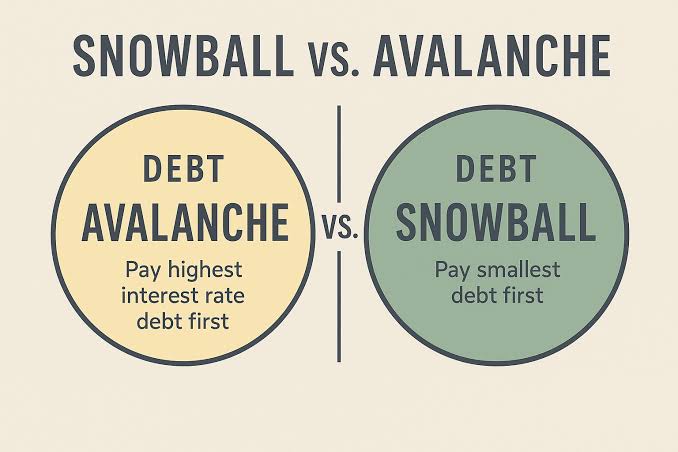
– paying the smallest balance first,
– paying the highest interest rate first,
– making extra principal payments,
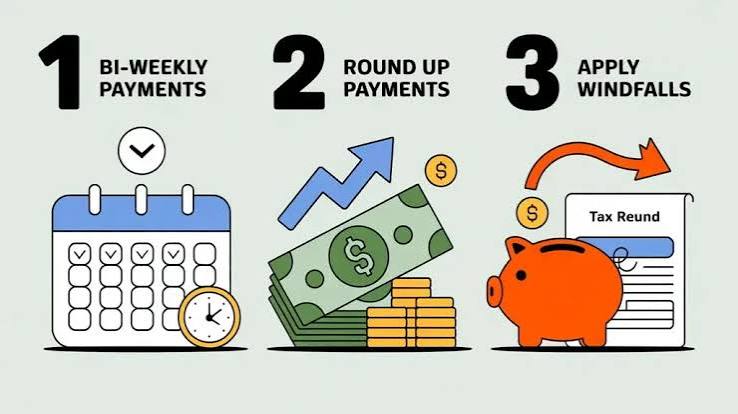
– adding one-time lump sums,
– or changing payment amounts over time.
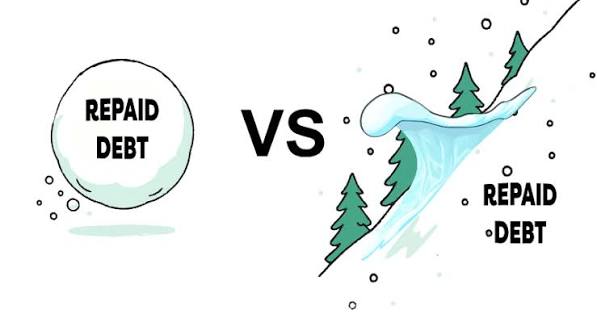
That extra detail matters because debt payoff is not just arithmetic; it is also psychology and cash-flow control. The smallest-balance method can create quick wins. The highest-interest method usually trims total interest more efficiently. A calculator that can model both lets you see the trade-off instead of guessing.
Here is the catch: strategy calculators are easier to misuse. If you do not keep your payment assumptions realistic, the result can look far better than your actual life allows. I would be careful with any tool that assumes you can throw a fixed extra amount at debt forever, because most households have months where that extra money disappears. The numbers can go sideways fast.
I also think a generic article often leaves out the simplest truth: your calculator is only useful if it matches your debt type. A credit card behaves differently from an installment loan. A student loan may have different repayment rules. A mortgage calculator is a different tool altogether, even if the math looks similar on the surface.
Simple Debt Payoff Calculators: Who Should Actually Use This, and Who Shouldn’t
The simple calculator wins for one kind of reader: the person who wants a fast, no-drama answer. If you have one debt or you are just trying to answer, “How long until this is gone if I keep paying what I pay now?” then the simple version is enough.
I like the simple calculator for these situations:
– one credit card balance you want to eliminate,
– one personal loan with a fixed rate,
– a car loan you are considering paying off early,
– or a quick check before you commit to a repayment plan.
Its strength is clarity. Fewer knobs to turn means fewer ways to confuse yourself. If you are in debt and feeling overwhelmed, that matters. A clean timeline can turn vague stress into a concrete target.
Its weakness is obvious: it can hide the real cost of carrying debt and it does not help you compare options. If you have five balances at different rates, a simple calculator will not tell you which extra dollar does the most work. It can also understate the impact of small changes. A little extra each month can matter a lot over time, but only if the tool lets you model it.
I would skip the simple calculator if your debt picture has moving parts. That includes variable rates, multiple balances, irregular income, or the possibility of using windfalls like tax refunds or bonuses toward principal. In those cases, a more flexible calculator is worth the extra setup.
The honest limitation here is that the simple tool can make people feel organized without making them more effective. It gives a destination, not a route.
Strategy-Based Debt Payoff Calculators: The Specific Situations Where It Wins
Strategy calculators win when your question is not just “When?” but “Which plan actually gets me there faster or with less interest?” If you have multiple debts, this is the version I would use first.
The main advantage is comparison. A strategy calculator lets you compare methods side by side so you can see the consequences of each choice. That matters because debt payoff usually involves trade-offs:
– Pay the smallest balance first and you may get motivational wins sooner.
– Pay the highest-interest balance first and you usually reduce interest more efficiently.
– Apply lump sums and you may shorten the payoff timeline sharply, but only if those payments are realistic.
– Change your order later and the whole plan shifts.
That flexibility is the point. It gives you a plan you can adapt when your cash flow changes. If you get a temporary bonus, a tax refund, or a month with lower expenses, you can see how much those extra payments matter before you commit.
The weakness is that these calculators can encourage overconfidence. If you enter perfect monthly extra payments and a best-case budget, the result may look cleaner than your real life. That is a planning error, not a calculator error. The tool did exactly what you asked; the assumptions were too rosy.
Some readers miss a subtle but important point: the “best” strategy is not always the one that finishes in the fewest months on paper. If you are the kind of person who needs visible wins to keep going, a method with slightly higher interest costs might still be the better behavioral choice. A calculator can show the numbers, but only you can judge the follow-through.
If your debt mix includes variable-rate accounts or balances with fees, I would pay special attention to the assumptions. Check how the calculator handles rate changes, monthly compounding, and any additional charges. If it does not say, do not assume.
The Honest Side-by-Side
The easiest way to choose between a simple and a strategy calculator is to compare what each one actually helps you do. Here is the part most generic guides skip: the useful tool is the one that matches your decision, not the one with the most features.
| Criteria | Simple Debt Payoff Calculator | Strategy Debt Payoff Calculator | Winner for [condition] |
|---|---|---|---|
| Best for one debt | Clear and fast | More tool than you need | Simple calculator |
| Best for multiple debts | Limited | Designed for comparison | Strategy calculator |
| Ease of setup | Very easy | Takes more input | Simple calculator |
| Helps compare payoff methods | No | Yes | Strategy calculator |
| Useful for quick “how long?” questions | Yes | Yes, but slower to set up | Simple calculator |
| Useful for irregular extra payments | Usually weak | Usually better | Strategy calculator |
| Risk of overcomplicating the plan | Low | Higher | Simple calculator |
| Best for staying motivated | Depends on the person | Can show visible wins or faster savings | Strategy calculator for multi-debt users |
| Best when your goal is accuracy of comparison | Not enough detail | Better match | Strategy calculator |
| Best when your debt picture may change | Less flexible | More flexible | Strategy calculator |
My read on this side-by-side is simple. If you want speed and clarity, the simple calculator wins. If you want to manage a real repayment plan, the strategy calculator wins because it handles the decisions that actually change outcomes.
A generic article would stop there. I would not. The next question is when this whole choice becomes the wrong tool.
The Real Difference Between Paying Minimums and Using a Calculator-Driven Plan
The real difference is control. Paying minimums is passive; using a calculator-driven plan is deliberate. Make only minimum payments, and you accept the lender’s schedule. Use a calculator to set an extra-payment plan, and you choose your own.
Minimum payments matter because they keep the account in good standing, but they are usually not the fastest way to get rid of debt. A debt payoff calculator shows you what happens when you add even a modest extra amount to principal. That visibility is powerful. It can turn “I’ll never get ahead” into a concrete finish line.
The strength of a calculator-driven plan is that it shows the effect of consistency. A small monthly extra payment, repeated over many months, can do more than people expect. I am careful not to promise a specific outcome because that depends on the debt terms, but the direction is predictable: more principal paid sooner means less interest over time.
The weakness is psychological. Some people use a calculator, feel inspired for a week, and then abandon the plan when life gets messy. If that is you, the calculator is still useful, but only if you treat the result as a minimum viable plan rather than a perfect one and consult a financial professional when the numbers are tight.
I also think readers often underestimate the importance of payment timing. If your lender applies extra payments in a way that does not reduce principal quickly, your payoff timeline may not improve as much as you expect. That is why I would always read the lender’s payment rules, especially for loans with prepayment options, fees, or unusual billing cycles.
If the calculator does not explain how extra payments are applied, use caution. The math on the screen may not match the way your lender posts payments.
What Debt Payoff Calculators Get Wrong
The biggest mistake is thinking a calculator can fix a budget problem. It cannot. It can only model the path you can afford to take. If there is no room in your monthly cash flow, the calculator will still generate a payoff plan — but that plan may be fantasy.
A second mistake is ignoring rate changes. Many people have debt with a fixed rate, but not all debt works that way. Variable-rate debt can move, and promotional rates can expire. A calculator that assumes a steady rate may understate your real cost.
A third mistake is forgetting fees, late charges, and other account-specific rules. Those can make a plan slower or more expensive than the clean spreadsheet version suggests. Because finance rules vary by country and by lender, I would not treat any generic calculator as a substitute for checking your statement and account terms.
A fourth mistake is mixing up debt payoff with debt relief. A calculator is built for structured repayment. It is not the right tool for every debt problem. If you are already missing payments, facing collections, or considering formal debt relief, you need a different conversation.
That is an important boundary. People often ask a payoff calculator to do work it was never meant to do. It is great for planning. It is not a rescue plan.
For a deeper consumer-level explanation, the Consumer Financial Protection Bureau and the Federal Trade Commission both have plain-language resources on debt management and repayment. I would use those as a reality check if a calculator’s assumptions feel too neat. The CFPB’s debt collection and debt repayment pages are also useful when you want to compare a calculator estimate with a lender notice.
Our Verdict: Which One to Choose and Why
Choose the strategy debt payoff calculator if you have more than one debt, you can make extra payments, and you want to compare payoff methods before deciding where to send your next dollar. Choose the simple debt payoff calculator if you have one debt and you only want a quick timeline. Neither if you are already behind on payments, dealing with collections, or trying to solve a cash-flow crisis that needs a broader plan.
My recommendation is straightforward: start with the strategy calculator if your debt situation has any complexity at all. It gives you the better decision support because it shows trade-offs, not just dates. Use the simple calculator only when you want a fast answer and do not need to compare paths.
Why I make that call: the value of a debt payoff calculator is not in the number it spits out. It is in the choices it clarifies. If you only need a finish date, simple is enough. If you need to decide between several repayment approaches, the more detailed tool earns its place.
The drawback of choosing the strategy version is time. It takes more setup, and you can overthink details that do not matter much. The drawback of choosing the simple version is blindness: you may feel informed while missing the very comparison that would save you interest or speed up your progress.
If you are unsure, I would still lean strategy. Complexity in debt is usually real, not imagined. A more flexible calculator is better at reflecting that reality.
When to Reconsider This Choice Entirely
There are a few cases where the whole simple-versus-strategy debate is the wrong debate.
First, if you are missing minimum payments or routinely borrowing to cover ordinary expenses, a payoff calculator is not your first tool. You need a budget, a cash-flow review, and possibly professional debt counseling. The calculator can come later, once the monthly numbers are stable enough to model.
Second, if your debt has a variable rate, deferred interest, or complicated promotional terms, I would verify the repayment rules before trusting any estimate. A calculator can still help, but only if you understand how the rate or fees may change over time.
Third, if you are choosing between paying debt and keeping an emergency fund, the answer is not automatic. A calculator can show debt timelines, but it cannot tell you how much financial cushion you need. That depends on your income stability, household obligations, and risk tolerance. For that question, I would seek qualified advice.
Fourth, if the emotional burden of seeing every balance in one place makes you freeze instead of act, start smaller. Use a calculator on one debt first. A tool that overwhelms you is not helping, even if it is mathematically accurate.
This is the part generic articles often skip: sometimes the right move is not a more advanced calculator. Sometimes the right move is a different problem entirely.
How to Use a Debt Payoff Calculator Without Lying to Yourself
The best calculator habit is boring and honest. Enter the balance exactly as it appears on your statement. Use the actual rate, not the one you hope to have later. Put in the payment you can make on a regular month, not the one you might make in an unusually good month.
Then test one change at a time:
– What if you add a small monthly extra payment?
– What if you put one windfall toward principal?
– What if you attack the highest-interest balance