Last updated: August 11, 2026
- – Credit card interest can compound daily , so even tiny payment changes can shift the result.
- If possible, get help from a credit counselor or financial professional before you commit to a payment plan.
- If you need advice tailored to your cards, talk to a qualified financial adviser or credit counselor.
- FAQ How accurate is a credit card payoff calculator?
Quick Answer: A credit card payoff calculator shows, in one view, how long debt may take to disappear and how much interest you may pay. At $5,000 at 24% APR with a $150 monthly payment, the payoff time is often measured in years, not months—and the exact result depends on your issuer’s rules and whether you add extra payments.
Key Facts
– A credit card payoff calculator estimates payoff time and total interest from your balance, APR, and monthly payment.
– Credit card interest can compound daily, so even tiny payment changes can shift the result.
– The calculator is best for planning, not for predicting the future.
– Income changes or continued card use can throw off the estimate.
– To get the closest answer, check your statement, card terms, and a qualified financial adviser or credit counselor before making a decision.
A credit card payoff calculator, or credit card payoff calculator: estimate interest payoff time, shows two things that matter most: how much interest you may pay and how long the balance may take to disappear. Trying to decide whether your current payment is enough? This is the tool I’d reach for first. It turns a vague debt problem into something with a date on it.
I write about personal finance, including debt repayment and household budgeting, and I’m treating this as information rather than financial advice. For your own situation, especially if you’re juggling multiple debts or variable income, I’d speak with a qualified financial adviser or credit counselor. Want background on interest and minimum payments? See the Consumer Financial Protection Bureau and your card issuer’s disclosures.
How a Credit Card Payoff Calculator Actually Works
A credit card payoff calculator is only useful if it answers the right question: “If I pay this much each month, when will the balance be gone, and how much interest will I pay along the way?”
Simple, really. It takes a balance, an interest rate, and a monthly payment, then simulates how the debt shrinks over time. Most calculators also let you add extra payments or compare payoff strategies. The output is not a promise; it is a forecast based on the numbers you enter.
What a lot of generic articles miss is this: credit cards usually compound interest daily or monthly depending on the issuer’s terms and local rules. Small payment shifts can change your payoff date more than people expect. Minimum payments can drag on forever. Ugly. The exact math varies by country, card issuer, and contract terms, so you should treat any calculator as an estimate, not a guarantee. If the result affects a major decision, consult a qualified professional and verify the terms in your card agreement.
To make the estimate useful, I’d feed it three things with care: the current balance, the APR or interest rate actually listed on your statement, and a payment amount you can realistically repeat every month. When your payment changes month to month, use a conservative number. An optimistic estimate is usually the wrong estimate.
For more on how credit-card interest is calculated, I’d look at the Consumer Financial Protection Bureau’s explanations of credit card interest and minimum payments, and your card issuer’s own terms and disclosures. Those are the documents that matter more than any glossy calculator interface. The CFPB is a good starting point, but a financial adviser or credit counselor can help if your situation is complicated.
Why the Result Changes So Fast
A payoff calculator looks simple, but the result moves a lot when one input changes. That is the whole reason these tools exist. A slightly higher payment can shave off months; a slightly lower one can extend the debt far longer than feels intuitive.
The biggest driver is the gap between your payment and the interest charge. When your payment barely clears the monthly interest, most of the money goes to finance charges instead of principal. The balance falls slowly. If your payment is comfortably above the interest charge, more of each dollar actually reduces what you owe.
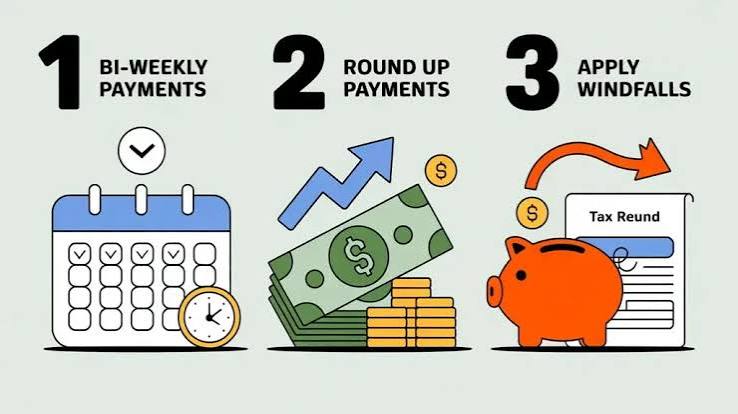
This is where many readers get misled by generic advice. They hear “pay more than the minimum” and assume any extra amount is equally useful. It is not. Extra payments have the most impact when they are consistent, applied early in the billing cycle if your issuer allows that, and directed to one balance at a time. The calculator can show this effect clearly.
I also want to be blunt about a limitation: a calculator cannot predict future spending. If you keep charging new purchases on the card while trying to pay it off, the payoff date becomes a moving target. The estimate only holds if the balance stays roughly where you entered it, or if the calculator is designed to handle new charges and you input them honestly.
For a reader who wants control rather than guesswork, the payoff calculator is valuable because it reveals the trade-off between cash flow today and interest cost later. That is the real decision underneath the tool.
Credit Card Payoff Calculator: Who Should Actually Use It
The payoff calculator wins for anyone who has a fixed balance and wants a clear finish line. That includes people paying down one card, people choosing between a higher payment and a minimum payment, and people deciding whether an extra $25, $50, or other modest amount is worth it.
It is especially useful if you are the kind of person who needs the debt to feel finite. Seeing a projected payoff date often makes the plan easier to stick with than a vague command to “pay more.” Honestly, that matters because motivation fades fast when debt feels endless.
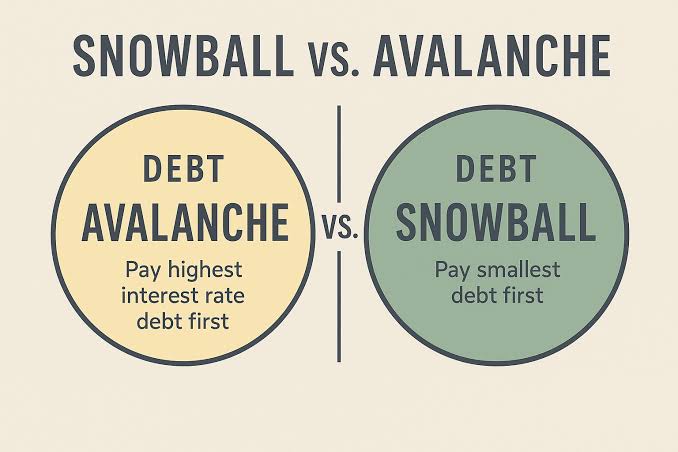
The payoff calculator is also the right tool if you are comparing your own plan against a debt repayment method, such as paying highest-interest balances first or targeting the smallest balance first. A calculator can show the cost of delay and help you see whether one strategy shortens the overall payoff time.
But it is not the right tool for every situation. If your income is unstable, your emergency savings are thin, or you are already missing minimum payments, the calculator can create false confidence. It assumes the payment you enter is available every month. If that assumption is shaky, the estimate will be shaky too. In that case, I’d treat the calculator as a rough guide only and focus first on preventing missed payments, late fees, and credit damage. If possible, get help from a credit counselor or financial professional before you commit to a payment plan.
It is also not ideal if you are dealing with debt consolidation, a balance transfer, or a negotiated hardship plan, because those change the interest math and the repayment structure. Use the calculator after you know the new terms, not before.
The Honest Side-by-Side
The real comparison is not “calculator versus no calculator.” It is “a payoff calculator versus winging it.” The calculator wins when you need a timeline. Guessing only works if the debt is tiny or already on autopilot, which is rare.
| Criteria | Credit Card Payoff Calculator | Guessing or Rough Mental Math | Winner for this condition |
|---|---|---|---|
| Payoff date estimate | Gives a month-by-month estimate based on your inputs | Usually too vague to be useful | Calculator for anyone with a real balance |
| Interest cost visibility | Shows how much interest may accumulate over time | Easy to underestimate total cost | Calculator when cost matters |
| Ease of use | Quick if you know your balance, rate, and payment | Fast, but often inaccurate | Calculator if you want a plan |
| Sensitivity to extra payments | Shows how extra dollars change the timeline | Hard to see the impact clearly | Calculator if you can pay more some months |
| Use with multiple cards | Can compare balances one by one or by strategy | Gets confusing fast | Calculator for debt stacking decisions |
| Works with variable income | Only if you enter a realistic payment | Mental math may ignore bad months | Neither if income swings a lot and you need a budget first |
| Risk of false confidence | Moderate if you enter bad inputs | High, because the estimate is informal | Calculator if you verify the assumptions |
| Best use case | Planning and motivation | Quick back-of-envelope thinking | Calculator for actual repayment planning |
| Limitation | Doesn’t predict new charges or changing rates | Doesn’t model anything well | Calculator if your balance is stable |
The table makes the decision plain: the calculator is better when you want precision and accountability. Guessing is only acceptable for the most basic check. If the debt matters enough to change your budget, it matters enough to calculate.
Credit Card Payoff Calculator: The Specific Situations Where It Wins
The payoff calculator wins in three very specific situations.
First, it wins when you are deciding how much to pay this month. If you can afford more than the minimum but do not know whether it is worth stretching, the calculator shows the trade-off in time and interest. That is a real decision, not a vague reassurance.
Second, it wins when you are comparing payoff methods. A calculator can help you see the effect of prioritizing one card over another, especially if one balance carries a meaningfully higher rate. I’d use it to compare scenarios rather than as a one-button verdict. That’s where it earns its keep.
Third, it wins when you need motivation that is based on numbers, not mood. Debt repayment often fails because the goal feels abstract. A payoff date gives the goal edges. That does not make debt easier, but it makes the next payment easier to justify.
The drawback is that calculators can become a false substitute for budgeting. If you use one but never create room in your monthly spending, the projection will not matter. Another drawback: some calculators oversimplify. They may ignore daily interest accrual, promotional rates, fees, or balance transfer terms. If your card has unusual rules, you need to read the issuer’s disclosures carefully and use the calculator only as a rough model.
I’d recommend the calculator most strongly to readers who have one or two balances, a fairly steady income, and a genuine desire to stop carrying revolving debt. It is less useful for anyone whose finances are already fragile, because the calculation can look tidy while the real cash flow is not.
The Honest Side-by-Side for Real-World Debt Decisions
Here is the part most generic articles skip: the calculator is a planning tool, not a cure. It helps you see the shape of the problem, but it cannot fix a budget that is already underwater.
When your payment is already above the minimum and you can maintain it, the calculator is highly useful. If you cannot maintain it, the most elegant payoff plan in the world does not help. In that case, the real issue is cash flow, not math.
The calculator also helps when a reader is tempted to chase the “perfect” strategy. People spend too long comparing avalanche versus snowball versus minimum-plus-extra. Usually, the first question is simpler: can I make a steady payment that actually reduces principal? A calculator answers that quickly.
For rules and disclosures around consumer credit, I’d consult the Consumer Financial Protection Bureau and your card issuer’s own terms. Rates, fee structures, and payment allocation rules vary by country and by product, so there is no universal answer I can honestly give. If you need advice tailored to your cards, talk to a qualified financial adviser or credit counselor.
This is why I favor calculators that let you change assumptions easily. A good one lets you test a higher payment, a lower payment, or an extra lump sum without forcing you to start over. That flexibility matters because real budgets are not static.
Our Verdict: Which One to Choose and Why
Choose the credit card payoff calculator if you have a balance, a specific monthly payment in mind, and you want to know when the debt may end. Choose rough mental math only if you are doing a quick sanity check and the balance is small enough that precision does not change your behavior. Neither if you are already missing payments, adding new charges every month without a plan, or dealing with a complex hardship, consolidation, or settlement situation that changes the repayment terms.
My view is straightforward: use the calculator when you need a decision. It turns “I think I’m paying enough” into “this payment means this timeline.” That is the useful version of the question.
When to Reconsider This Choice Entirely
There are a few exception scenarios where the usual answer flips.
One: if you are facing urgent cash shortages, the calculator is not the first tool. You need a budget, bill triage, and possibly outside help before payoff estimates matter.
Two: if your card has a promotional rate, balance transfer terms, or a hardship arrangement, the basic calculator may mislead you unless it reflects those exact terms. A standard APR model can be wrong in a hurry.
Three: if you routinely put new purchases on the same card, the payoff date estimate may become meaningless unless you separate spending from repayment. The calculator can only model what you input.
Four: if you have multiple debts with different interest rates, the right answer may depend on comparing them, not looking at one card in isolation. In that case, I’d run separate estimates for each balance and compare the total cost and time.
These are not edge cases for specialists only. They are common enough that any honest article should say them out loud.
FAQ
How accurate is a credit card payoff calculator?
It is accurate only to the extent that your inputs are accurate. If you enter the real balance, interest rate, payment amount, and any extra contributions, the estimate is usually useful as a planning tool. It still cannot predict new charges, rate changes, or changes in your income.
Should I use the minimum payment in the calculator?
You can, but I’d only do that if you want to see the slowest plausible payoff path. Minimum payments often extend debt repayment far longer than people expect, and they usually do not reflect a healthy payoff plan.
Is paying more always better?
Usually, paying more helps because more of your money can go toward principal sooner. The trade-off is that extra debt payments reduce cash available for emergencies and other essential expenses. If that leaves you without a buffer, the plan can backfire.
Can I use the calculator for multiple credit cards?
Yes. Use it card by card, or compare balances side by side if the tool allows it. For multiple debts, I’d be careful not to ignore the bigger picture: total interest, minimum payment obligations, and whether your budget can support the plan.
What if my rate changes?
Then the estimate changes. If your card has a variable rate, any long payoff timeline can shift. Check your statement and card terms, and revisit the calculation if the rate moves.