Last updated: August 11, 2026
- Quick Answer: For most people, the best payment planning tool is a budget app.
- It just slices one payment into several.
- That matters if you juggle rent, utilities, subscriptions, groceries, student loan payments, childcare, or irregular income.
- Miss a payment and fees can show up fast.
Quick Answer: For most people, the best payment planning tool is a budget app. In many cases, though, a plain cash-flow calendar is the smarter first move; BNPL is narrower and works better for one planned purchase. Payment planning tools turn a bill, a debt payoff plan, or a big buy into payments you can actually live with. Trying to pick one? The real question is not “Which one is best?” It is: which payment planning tool matches the kind of payment you need to control, without hiding fees or creating a debt trap?
I write about personal finance tools and decision-making. So I look at these payment planning tools the same way I would help a friend untangle a cash-flow mess: by asking what gets paid, when it gets paid, and what happens if life gets messy.
The Real Difference Between Budget Apps and Buy Now, Pay Later
Budget apps win when the problem is planning. Buy now, pay later wins when the problem is splitting a purchase into smaller chunks. Sounds obvious, right? Still, people mix them up all the time, and that mix-up leads to bad calls.
A payment planning tool can be a broad budget app, a debt payoff calculator, a bill-splitting app, a calendar reminder system, or a BNPL service at checkout. Broad tools help you map money across the month. Checkout tools help you divide one purchase into installments. One protects your whole budget. The other makes a single purchase easier to swallow.
Here is the practical difference:
- Budget apps are for people who need visibility. They show upcoming bills, due dates, and account balances so you do not spend rent money on impulse purchases.
- BNPL tools are for people who already know they want to buy something and need a structured payment schedule.
- Debt payoff tools are for people trying to get out of credit card balances or loans with a clear extra-payment plan.
- Bill reminder tools are for people who mainly need to avoid late fees, overdrafts, and missed due dates.
The mistake I see most is treating BNPL like a budgeting fix. CFPB guidance on BNPL and installment lending says that is a misuse to avoid, and if your finances are already stretched, it is worth checking with a qualified financial counselor or other professional before relying on it. BNPL does not teach cash-flow management. It just slices one payment into several. If your budget is tight already, that can make this month look easier while next month gets uglier. Cheap now, pricier later.
For readers who want a general-purpose planning tool, I would start with a budget app or a cash-flow calendar rather than BNPL. For readers who need to finance one specific purchase and know exactly how they will repay it, BNPL can make sense — but only if the terms are simple, the payment dates line up with your pay cycle, and there are no fees that turn convenience into expense.
Before you choose anything, read the Consumer Financial Protection Bureau’s guidance on buy now, pay later and installment lending, and check the Federal Trade Commission’s advice on avoiding late-payment pitfalls. Those pages are worth your time because they focus on the exact risks people miss when payments are stretched out.
Budget Apps: Who Should Actually Use This (and Who Shouldn’t)
Budget apps win for people who need control across the entire month, not just a single purchase. If your main problem is “money disappears before the next paycheck,” this is the place to begin. A good budget app gives you categories, due dates, alerts, and a snapshot of what is already spoken for.
Its strength is not glamour. It is friction. It forces you to look at reality before you spend. That matters if you juggle rent, utilities, subscriptions, groceries, student loan payments, childcare, or irregular income. In those cases, a good app can keep you from treating your checking balance like free money, and that is one reason CFPB budgeting guidance points people toward tracking cash flow rather than guessing.
I would choose a budget app if:
– Your income is inconsistent
– You miss bills or pay late fees
– You need to see recurring obligations in one place
– You share money with a partner or family member
– You want to build a plan before you borrow
The weak spot is upkeep. Budget apps depend on honest inputs and regular maintenance. Skip category updates, fail to connect accounts properly, or stop checking alerts, and the app becomes decoration. Another drawback: many people use budgeting like a guilt machine. They build a perfect plan, then feel lousy when real life breaks it. That does not mean the tool failed. It means the plan needs margin.
Budget apps are not ideal if you hate tracking, if your finances are simple enough that a calendar and spreadsheet already do the job, or if you are only trying to split one purchase into installments. They can also be a poor fit if you need money right now and are tempted to use a budgeting app as a stand-in for actual cash.
A good budget app works best when the goal is prevention: preventing overdrafts, avoiding late charges, and making sure recurring payments do not collide. If you want a tool that helps you see the whole month, not just one checkout screen, this is the category I would reach for first.
Buy Now, Pay Later: The Specific Situations Where It Wins
BNPL wins when you need to split a single planned purchase into predictable installments and you are confident the future payments will fit your budget. That is the narrow use case where it can be genuinely useful. It is not a general money-management system, and it should not be treated like one, especially if you want a second opinion from a financial professional on whether the schedule fits your income.
I can see why people like it. BNPL reduces the sticker shock of a purchase, and for some buyers the schedule is simpler than a credit card balance with variable interest. If the payment dates are fixed and the total cost is transparent, the tool can be easier to plan around than revolving credit.
BNPL makes the most sense for:
– One-off purchases with a clear purpose
– Shoppers who already know they can cover each installment
– People who want a fixed repayment timeline
– Buyers who want to avoid rolling a small purchase into a long credit card balance
The catch is what BNPL can hide. Some plans are free only if you pay on time. Miss a payment and fees can show up fast. Some plans are structured in a way that makes it easy to stack multiple purchases across different merchants, which turns “small installments” into several overlapping obligations. That is where people lose track.
BNPL is also a bad fit if your income is unstable or if you are already carrying multiple debts. In those situations, the short-term relief can create a payment pileup later. I would also skip BNPL if you tend to shop impulsively. The whole design of checkout financing is to reduce resistance. If resistance is what keeps your spending in check, BNPL works against you.
The strongest case for BNPL is disciplined use on a purchase you already planned, with a repayment schedule that matches your paycheck timing. If you need help with a single item and you will not use it to stretch your budget past its limits, it can be a practical tool. If the purchase is emotional, urgent, or bigger than your cushion, I would not touch it.
Debt Payoff Tools: The Honest Side-by-Side
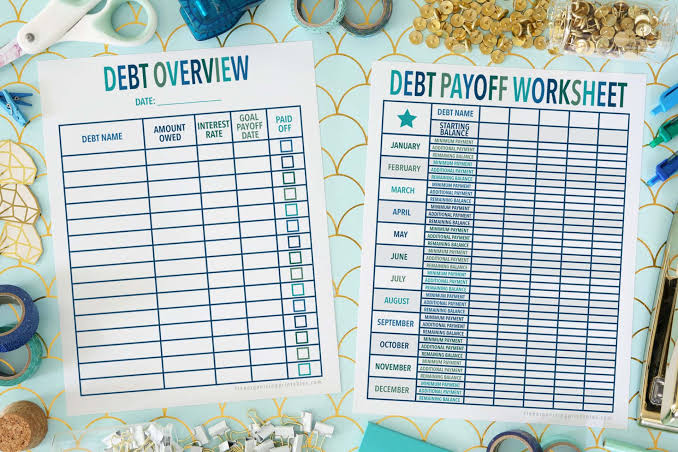
Debt payoff tools win when the main job is getting rid of existing balances. They are not the same as budgeting apps, though they often overlap. A debt payoff calculator or tracker helps you see which debt to attack first, how extra payments change the timeline, and what monthly amount you need to stay consistent.
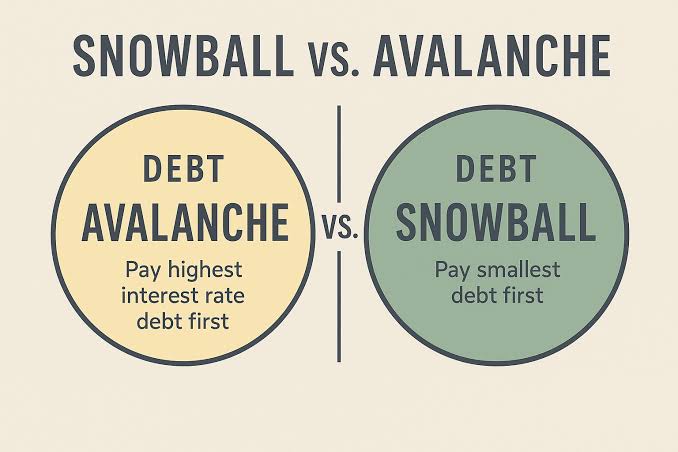
The biggest strength of debt payoff tools is clarity. They turn a vague goal — “I need to get out of debt” — into a plan with order and timing. That is useful whether you prefer the snowball method, where you target the smallest balance first, or the avalanche method, where you target the highest interest rate first. A payoff tool can show the consequences of each approach without making you do the math by hand.
They are especially good for people who:
– Carry credit card balances
– Want to see a payoff date, not just a monthly minimum
– Need a sense of momentum
– Benefit from a visual tracker or milestone view
The weak point is the budget behind them. A calculator can tell you how fast debt disappears if you pay extra. It cannot create that extra money. If your spending is the real problem, a payoff tool alone will not fix it. Another issue: some apps optimize for motivation rather than precision, and motivation without a spending guardrail can fade.
I would skip a debt payoff tool if your debt is temporary and small enough that a simple spreadsheet works, or if you are still deciding whether the bigger problem is debt or overspending. The tool should support a plan, not replace one.
If I had to choose one category for someone serious about erasing balances, I would pick a payoff tool over BNPL and over a generic reminder app. It deals with the actual problem: too much money already committed to past spending.
The Honest Side-by-Side
The cleanest way to choose is to compare the tools by the decisions they change. A generic article often stops at features. That misses the part that matters: which tool will keep you out of trouble when your money gets tight.
| Criteria | Budget Apps | Buy Now, Pay Later | Winner for [condition] |
|---|---|---|---|
| Main job | Plan the month | Split one purchase | Budget apps for whole-budget control |
| Risk of overuse | Moderate, if ignored | Higher, if stacked across purchases | Budget apps for impulse-prone users |
| Best for | Recurring bills and cash flow | Planned one-time purchases | Budget apps for ongoing obligations |
| Helps avoid late fees | Yes, through reminders and visibility | Sometimes, if payments are on time | Budget apps for due-date management |
| Works with irregular income | Often, if you keep it updated | Poorly, because due dates are fixed | Budget apps for variable income |
| Transparent total cost | Usually, if you enter data honestly | Varies by provider and terms | Budget apps for clarity across all spending |
| Easy to start using | Moderate | Very easy at checkout | BNPL for immediate purchase decisions |
| Good for debt reduction | Indirectly | No | Budget apps for prevention; debt tools for payoff |
| Good for one specific purchase | Not the main use | Yes | BNPL for a single planned buy |
| Helps build discipline | Yes, if you use it consistently | Not really | Budget apps for long-term habits |
The table points to the core truth: budget apps are preventive, BNPL is transactional, and debt payoff tools are corrective. That is the difference readers need to understand before downloading anything or clicking “Pay in four.”
A generic buying guide would tell you that all of these tools “help manage money.” True, but not useful. The real issue is whether you need to see your money, stretch one purchase, or eliminate existing debt. Pick the wrong tool and you end up organizing the problem instead of solving it.
Our Verdict: Which One to Choose and Why
Choose a budget app if your problem is scattered bills, irregular cash flow, or money that vanishes before the month ends. Choose BNPL if you need to split one planned purchase and you are certain the payments will fit your pay cycle. Choose neither if you are already behind on essential bills, because borrowing or reorganizing payments will not fix a cash shortage.
That is my call.
If I had to recommend one category for most readers starting from scratch, I would choose a budget app. It solves the widest range of payment planning problems and keeps you from making short-term decisions that hurt next month. It is not as exciting as checkout financing, but it is more useful if your life has rent, utilities, subscriptions, and a changing paycheck.
I would choose BNPL only under narrow conditions: the purchase is necessary or well planned, the repayment schedule is easy to cover, and you are not using it to mask a budget problem. BNPL can be fine as a payment-smoothing tool. It is a poor substitute for a budget.
I would choose a debt payoff tool over both if the biggest issue is existing credit card balances or loans. In that case, you do not need a nicer way to spend. You need a plan to stop carrying balances.
The honest bottom line is this: the best tool is the one that matches the shape of your problem, and for most people that means starting with the simplest tool that actually fits the math. If you use a debt tool for everyday spending, or BNPL for a shaky budget, you are solving the wrong problem beautifully.
When to Reconsider This Choice Entirely
There are a few cases where the whole comparison flips and you should step back before choosing any payment planning tool.
1. You are behind on essentials.
Rent, utilities, or groceries already stretched? A new payment plan is not the answer. A payment plan divides a cost; it does not create cash. In that situation, I would focus on income timing, emergency help, renegotiating bills, or speaking with a qualified financial counselor.
2. You are trying to fix overspending with software.
This is the classic trap. A shiny app can make you feel organized while your habits stay the same. If the issue is impulse spending, the real fix may be deleting saved cards, removing shopping apps, or creating a hard spending rule.
3. You need a debt strategy, not a planning app.
If your balances are already large, a payment planner can help you calculate, but it cannot change the math. You may need a consolidation decision, creditor negotiation, or professional credit counseling. For debt questions, it is worth reviewing guidance from the Consumer Financial Protection Bureau and speaking with a licensed financial professional if your situation is complex.
4. Your payment dates do not match your income.
If you are paid weekly, biweekly, or irregularly, the due-date structure matters more than the app brand. A tool that looks polished but ignores timing will fail you.
When any of these apply, I would pause before choosing a product. The wrong tool can add one more layer of friction to a problem that already needs simplification.
What a Generic Guide Leaves Out
Most generic articles miss the part that matters most: payment planning is about timing, not just tracking. A tool can show you your bills, but if it does not help you line up payment dates with income, it may still leave you short. That is why calendars and cash-flow views matter so much.
They also skip the difference between a tool that plans spending and a tool that finances spending. Those are not the same. Planning tools help you avoid trouble. Financing tools spread trouble out over time. That distinction matters because people often search for “payment planning tools” when what they really want is either debt relief or a way to afford a purchase. If you do not name the real goal, you buy the wrong thing.
Another missing piece is the human side. A payment tool should reduce stress, not become a second job. If an app needs daily maintenance and you will not maintain it, it is the wrong app. If a BNPL plan looks simple but creates three more due dates you will forget, it is the wrong plan.
My rule is simple: use the lightest tool that still solves the problem. If a calendar works, start there. If you need a budgeting app, use one. If you only need to split one purchase and the terms are clear, BNPL may be enough. Do not buy complexity you will not use.
FAQ
What is a payment planning tool?
It is any tool that helps you schedule, divide, track, or prioritize payments. That includes budget apps, debt payoff calculators, bill reminder apps, and buy now, pay later services.
Is buy now, pay later better than a credit card?
Not always; it depends on fees, repayment timing, and whether you can keep the schedule simple. BNPL can be simpler for a fixed set of payments, but it can also encourage overspending and create multiple overlapping due dates. The Consumer Financial Protection Bureau has useful guidance on how these products work and where the risks show up.
What is the safest payment planning tool for most people?
A budget app or a simple cash-flow calendar is usually the safest starting point because it helps you manage the whole month instead of one purchase, and that is often the lowest-risk answer for payment planning tools.
Can payment planning tools help with debt?
Yes, but the best ones for debt are payoff calculators and trackers, not checkout financing tools. If the problem is already existing balances, use a tool that helps you reduce debt rather than add new installments.
When should I avoid payment planning tools altogether?
If you are already behind on essential bills, a payment planning tool will not fix the shortage. In that case, I would focus on reducing expenses, increasing income, or getting help from a qualified financial counselor.